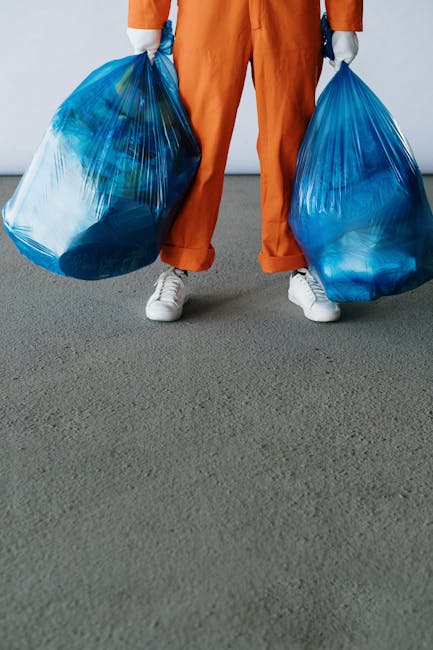
Bulky waste removal in SW18: sofa and fridge solutions
Posted on 07/05/2026
If you have a worn-out sofa wedged in a hallway or a fridge that has finally given up in the middle of the week, you already know the problem is not just "getting rid of stuff". It is about lifting, moving, sorting, and making sure the item is handled properly from start to finish. Bulky waste removal in SW18: sofa and fridge solutions is really about making a difficult job simple, safe, and tidy for homes, flats, landlords, and businesses across the area.
And to be fair, bulky items are the ones people put off longest. They are awkward, heavy, messy, and often impossible to fit in a regular car. This guide walks through how it works, what to expect, what to avoid, and how to choose the right approach when you need a sofa, fridge, or mixed household waste removed without the usual stress.
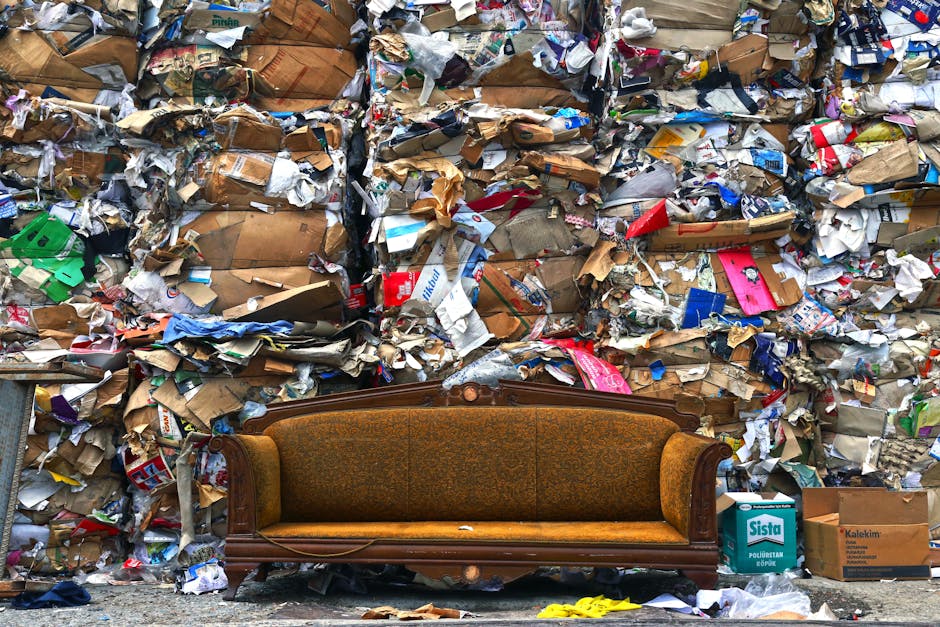
Why Bulky waste removal in SW18: sofa and fridge solutions Matters
Bulky waste is different from ordinary rubbish. A sofa takes up space even when it is technically "just one item". A fridge is worse because it is heavy, awkward, and needs careful handling. In a busy place like SW18, where homes can mean stairwells, tight entrances, shared access, and limited parking, even a simple disposal job can turn into a small logistical puzzle.
That is why this service matters. It saves time, protects your home from scuffs and damage, and helps you avoid the classic end-of-day panic of "how on earth are we moving this thing?". If you are clearing a flat before a move, replacing furniture, or emptying a rental property, bulky waste removal can be the difference between a smooth handover and a last-minute headache.
There is also a practical environmental angle. Furniture and white goods should not just be dumped wherever convenient. A sofa may be recyclable in parts, and a fridge often needs separate handling because of its materials and components. Responsible removal keeps useful items out of landfill where possible and helps ensure waste is handled through the right channels. Our recycling and sustainability approach is designed around that kind of careful, common-sense disposal.
Truth be told, bulky waste is often the hidden part of moving or decluttering that people underestimate. The room looks fine until the sofa has to leave. Then reality arrives, usually with a scrape on the wall if you are not careful.
How Bulky waste removal in SW18: sofa and fridge solutions Works
The process is usually more straightforward than people expect, although the exact approach depends on what you are moving and where it needs to go. A sofa may simply need carrying out, loading, and disposal. A fridge often needs a little more preparation: emptying, unplugging, defrosting if needed, and making sure it is ready to move safely.
In a typical SW18 bulky waste collection, the main steps look like this:
- Assess the item - size, weight, condition, and access points matter.
- Prepare the item - remove cushions, shelves, loose parts, or plugs.
- Protect the property - floor coverings, door protection, and careful lifting reduce damage.
- Move and load - this is where technique and the right vehicle make a big difference.
- Sort for disposal or recycling - depending on material and condition.
If the item is part of a wider declutter, it may make sense to bundle the work together. That is where decluttering before a move can really help. You save effort by identifying what is staying, what is going, and what might be donated, recycled, or removed in one go.
Fridges need special attention because they are not just "heavy boxes". They contain components that can be damaged if tipped improperly, and older models can be surprisingly awkward. The same general caution applies to freezers too, which is why storage-related wear advice for freezers is useful if your appliance is being kept temporarily before removal.
For sofas, the main challenge is usually bulk. A long armchair can be easier than a three-seater with fixed arms and a narrow staircase. If the sofa is being kept in storage before disposal or reuse, the guidance in this sofa storage guide can help prevent sagging, moisture issues, and fabric damage.
Key Benefits and Practical Advantages
The obvious benefit is simple: the item disappears, and your space is usable again. But there is more to it than that.
- Less physical strain: no dragging a fridge down steps or twisting your back on a tight landing.
- Lower risk of damage: both to the item you are removing and to walls, floors, and doors.
- Cleaner timeline: useful when you have a move-out deadline or a rental inspection looming.
- Better planning: one visit can handle multiple bulky items instead of several awkward attempts.
- Responsible disposal: materials can be sorted more appropriately than a quick guess-and-dump approach.
There is a quieter benefit too: peace of mind. Once the sofa and fridge are gone, a room changes immediately. It feels lighter. Quieter, even. You can clean properly, measure the space, or plan the next item without tripping around the old one.
If you are already in move mode, bulky waste removal also fits neatly alongside wider moving support. For example, furniture removals in Earlsfield can cover larger household pieces beyond just disposal, while the services overview gives a broader look at how different removal jobs fit together.
Who This Is For and When It Makes Sense
This kind of service is useful for all sorts of people, not just those in the middle of a house move. In fact, a lot of bulky waste jobs happen because life changed quietly and suddenly at the same time.
You may need sofa or fridge removal if you are:
- moving out of a flat and need to leave it clear
- replacing old furniture or appliances
- emptying a rental property after a tenancy ends
- clearing a property after refurbishment
- sorting out a student flat between terms
- dealing with an urgent, same-day removal situation
Students and renters often need quicker turnaround, especially if the item is blocking access or the building has tight rules around leaving waste in communal areas. In those cases, student removals in Earlsfield and same-day removals can be particularly relevant.
Landlords and letting agents also benefit from a fast, tidy approach. If a sofa is left behind or a fridge has been abandoned at the end of a tenancy, the problem is not just visual. It blocks cleaning, delays re-letting, and creates that awkward "who is sorting this?" moment. Nobody enjoys that conversation.
Step-by-Step Guidance
Here is a practical way to handle bulky waste removal without turning it into an all-day ordeal.
1. Identify exactly what needs to go
Start by listing every bulky item. One sofa, one fridge, a broken chair, maybe a mattress. The point is to avoid discovery removals halfway through the job. That is when time slips away.
2. Check access before moving day
Measure doorways, note narrow stairs, and think about parking. A route that looks fine on paper can become awkward in a shared stairwell. If the lift is small or unavailable, make a note of it early.
3. Empty and prepare the items
Take cushions off sofas, remove fridge contents, defrost if necessary, and secure loose parts. A fridge with a sloshing tray or a sofa with hidden clutter is just asking for trouble.
4. Protect surfaces
Use blankets, floor protection, or corner guards where needed. A quick bump on a painted wall can be an expensive reminder that careful handling matters. This is where good lifting habits also help, and this guide to lifting heavy objects safely is worth a read if you want the basic mechanics explained clearly.
5. Load with the right technique
Heavy items should be lifted with control, not enthusiasm. Everyone has seen the "I've got it" moment turn into a wobble. In our experience, the calm, steady approach always wins.
6. Confirm disposal method
Some items can be reused, some broken down, and some need specialist handling. A fridge in particular should not just be treated like household rubbish. The right route depends on condition, age, and contents.
7. Leave the space clean
Once the item is gone, sweep or vacuum the area and check corners, skirting, and behind furniture. If you are preparing a property handover, the cleaning stage matters more than people think. For a fuller end-of-tenancy flow, this cleaning guide for old residences is useful and down to earth.
Expert Tips for Better Results
A few small choices can make the whole job smoother.
- Book before the deadline gets tight. The last 24 hours before a move are rarely calm.
- Take photos of awkward access points. A picture of the staircase or entryway can help planning.
- Separate appliance prep from furniture prep. Sofas and fridges behave differently, so treat them differently.
- Keep a clear path. Shoes, plant pots, side tables, and random boxes are always in the way at the worst moment.
- Use proper packaging for loose parts. Tape shelves, feet, screws, and remote controls into a labelled bag.
If you are moving as well as removing, good packing discipline pays off. A tidy process for smaller items reduces the chance of clutter sneaking back into the hallway. You may find these organised packing tips helpful if the clearance is part of a wider move.
Another useful thought: don't assume every bulky item should be moved whole. Sometimes it is better to dismantle a sofa base or remove fridge shelves first. Less drama, less strain. Simple really.
And if there is a vehicle involved, route planning matters in SW18 as much as anywhere else. For local access and drop-off considerations, this note on removal routes near Earlsfield Station gives a helpful sense of local flow.

Common Mistakes to Avoid
Most bulky waste problems come from rushing. The item is heavy, the clock is ticking, and someone decides to "just tilt it a bit". That is usually where the damage starts.
- Forgetting to measure access. A fridge that fits the room may still fail at the doorway.
- Leaving appliances full. Food, shelves, ice, and water all make the job worse.
- Dragging instead of lifting. This can tear floors and stress joints in the item.
- Ignoring dismantling options. Sometimes removing legs or arms makes the whole job manageable.
- Using the wrong vehicle. If the item is not secured, it can slide, crack, or tip.
- Assuming disposal is the same as rubbish collection. Not always. Especially for appliances.
There is also a health and safety side. A single awkward lift can cause a back strain or a slip on stairs. If you are tempted to do it yourself, be honest about the weight and the route. A bit of caution is not weakness. It is just sensible.
If you want a broader look at physical handling and risk reduction, the company's health and safety policy and insurance and safety information are good trust signals to review before booking any removal job.
Tools, Resources and Recommendations
You do not need a warehouse full of gear to remove bulky waste properly, but the right tools help a lot.
| Tool or resource | Best for | Why it helps |
|---|---|---|
| Furniture blankets | Sofas, corners, door frames | Reduces scuffs and surface damage |
| Straps or lifting aids | Heavy appliance moves | Improves control and posture |
| Tape and labels | Loose shelves, screws, and parts | Prevents lost pieces and confusion later |
| Floor protection | Homes with wood, laminate, or tight stairwells | Helps protect surfaces during transit |
| Removal vehicle | Multiple bulky items | Allows safe loading and proper restraint |
It also helps to use a service that understands the wider moving journey, not just the one item. If your clear-out sits alongside house moves, flat moves, or office changes, the broader removal services in Earlsfield and local removals support pages give a clearer picture of what can be coordinated together.
For customers who want to compare options carefully, pricing and quote information is usually one of the first places to look. It helps set expectations before you commit. If you prefer a direct van-and-driver style arrangement, the man and van service can be a practical fit for smaller bulky jobs. In the article list, that one is often the no-fuss option people actually need.
Law, Compliance, Standards, or Best Practice
For bulky waste, good practice matters even when the task feels informal. You should always think about safe handling, lawful disposal, and responsible sorting. That is especially true for fridges and other appliances that may need separate treatment from ordinary household items.
In the UK, the exact disposal route can vary by item type, condition, and who is handling it. The safest general rule is simple: do not leave bulky waste on the street, do not assume every item can go in ordinary rubbish, and do not guess if an appliance contains components that need special handling. If you are using a removal company, ask how they handle recycling, reuse, and disposal before booking.
Best practice also includes transparency. A trustworthy provider should be clear about:
- what is included in the collection
- how items are transported
- what happens to reusable or recyclable materials
- whether access, parking, or extra labour could affect the job
If you want to understand the company side of that trust picture, the pages on about us, payment and security, and the terms and conditions help explain how a professional service should operate. Not flashy, just useful. Which is what you want, really.
Options, Methods, or Comparison Table
There is more than one way to deal with a sofa or fridge. The right option depends on urgency, item condition, access, and whether you need disposal, reuse, or full removal.
| Method | Best for | Pros | Trade-offs |
|---|---|---|---|
| DIY disposal | Very small, manageable items | May seem cheaper at first | High effort, higher injury risk, vehicle limits |
| Man and van removal | One-off bulky items or mixed loads | Flexible, practical, quick | May still require good access planning |
| Full removal service | Multiple rooms, larger clearances, moves | More comprehensive support | Usually more involved to arrange |
| Storage first, removal later | Temporary hold before final decision | Buys time and reduces pressure | Not ideal if the item is urgently in the way |
For a sofa that may be reused or stored, a careful handling approach matters just as much as disposal. If the item is still in decent shape, keeping it protected during storage can preserve value and usability. If it is beyond saving, then the focus shifts to safe removal and proper sorting.
For fridge disposal, the main practical choice is usually between a standard removal approach and a more appliance-aware collection process. Fridges are not complicated in theory, but they are awkward in real life. And awkward is enough to justify proper planning.
Case Study or Real-World Example
A typical SW18 scenario goes like this. A couple in a first-floor flat are moving out at short notice. They have a three-seater sofa that will not fit their new living room and an old fridge that has started making a low humming noise that nobody wants to investigate any further. The hallway is narrow, the stairs are shared, and there is a cleaning deadline the next morning.
Instead of trying to tackle everything separately, they group the bulky items into one removal visit. The sofa is cleared first, with cushions removed and the route protected. The fridge is emptied, unplugged, and checked for loose shelves before moving. Because the access was assessed beforehand, the removal is completed without repeated trips or awkward reversals on the stairs.
The result is not dramatic. No music, no fanfare. Just an empty room, a cleaner exit, and less stress on moving day. That is often the real win with bulky waste removal. You do not remember the item afterwards. You remember how much easier the week felt once it was gone.
If the same household had needed a bigger move, the job could have been folded into flat removals or even a larger house removals plan. That kind of joined-up thinking saves effort. It really does.
Practical Checklist
Use this before the collection or removal begins.
- Measure doorways, stair turns, and any tight corners
- Confirm whether the sofa or fridge needs dismantling
- Empty fridge contents and remove loose items
- Take sofa cushions, throws, and small accessories off
- Clear the route from room to exit
- Protect floors and vulnerable walls
- Check parking or vehicle access in advance
- Decide whether the item is for reuse, recycling, or disposal
- Set aside cleaning materials for the final sweep
- Ask for a quote before the work starts
Key takeaway: the smoothest bulky waste jobs are the ones that are prepared properly, not the ones handled in a rush. A few minutes of planning saves a lot of heavy lifting later.
Conclusion
Bulky waste removal in SW18 is not just about getting rid of an old sofa or fridge. It is about doing it safely, cleanly, and in a way that fits your space, your timeline, and your peace of mind. Whether you are moving out, replacing old furniture, or clearing a property, the right approach makes a very visible difference.
The good news is that you do not need to overcomplicate it. Prepare the items, check access, think about disposal properly, and choose a service that understands both the practical and environmental side of the job. Small details matter here. They always do.
Get a free quote today and see how much you can save.
And if the sofa is finally gone and the kitchen suddenly feels twice as wide, well, that's a nice moment. A simple one, but a good one.