Parking restrictions in Earlsfield (SW18) and loading rules
Posted on 04/07/2026
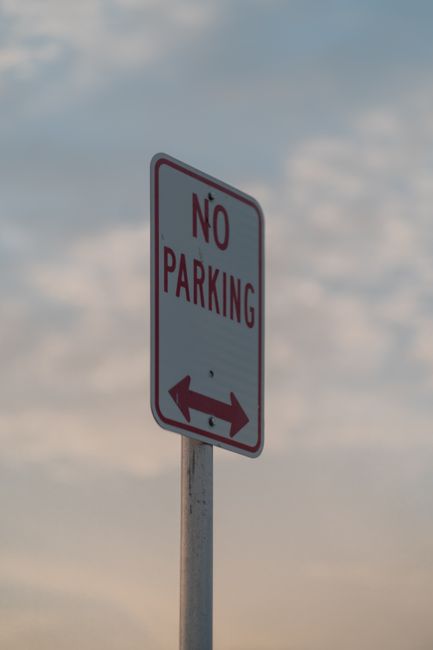
If you are planning a move, a delivery, or even a quick furniture drop-off, Parking restrictions in Earlsfield (SW18) and loading rules can make or break the day. In Earlsfield, where residential streets can be tight and bays fill fast, a van that is perfectly timed on paper can still run into trouble in real life. The difference between a smooth unload and a stressful one is often down to a few small details: where the vehicle stops, how long it stays, and whether loading is actually allowed at that time.
This guide breaks the topic down in plain English. You will get a practical overview of how loading usually works, why restrictions matter, how to plan around them, and what to do if you are moving bulky items, clearing a flat, or arranging a same-day job. We will also touch on the common moving-day mistakes people make in SW18, because let's face it, nobody wants a parking ticket while carrying a sofa up the stairs.
Table of Contents
- Why Parking restrictions in Earlsfield (SW18) and loading rules matters
- How Parking restrictions in Earlsfield (SW18) and loading rules works
- Key benefits and practical advantages
- Who this is for and when it makes sense
- Step-by-step guidance
- Expert tips for better results
- Common mistakes to avoid
- Tools, resources and recommendations
- Law, compliance, standards, or best practice
- Options, methods, or comparison table
- Case study or real-world example
- Practical checklist
- Conclusion
- Frequently asked questions
Why Parking restrictions in Earlsfield (SW18) and loading rules Matters
Parking and loading are not just background admin. In Earlsfield, they shape the whole moving experience. A van that cannot stop close enough to the property can turn a 30-minute unload into a slow, awkward haul with extra risk to furniture, walls, and your back. If the vehicle is in the wrong place at the wrong time, you can end up with delays, fines, complaints from neighbours, or a job that simply becomes harder than it needed to be.
For moving house, the main issue is distance. Every extra metre from van to front door matters when you are carrying boxes, white goods, or awkward items. For businesses and landlords, it is about keeping access available without causing disruption. For students or flat sharers, it is often about squeezing a move into a narrow window before work, checkout, or a key handover. Timing becomes everything.
There is also a quieter benefit: good parking planning reduces stress. People often focus on packing, but in our experience the street outside matters just as much as the boxes inside. You can have everything wrapped neatly, then lose the morning because the van had nowhere sensible to wait. Annoying? Absolutely.
Earlsfield is the sort of place where small planning errors get exposed quickly. A busy street, a school run, a delivery bay already occupied, and suddenly the loading plan changes on the fly. That is why understanding the rules before moving day is worth the effort.
How Parking restrictions in Earlsfield (SW18) and loading rules Works
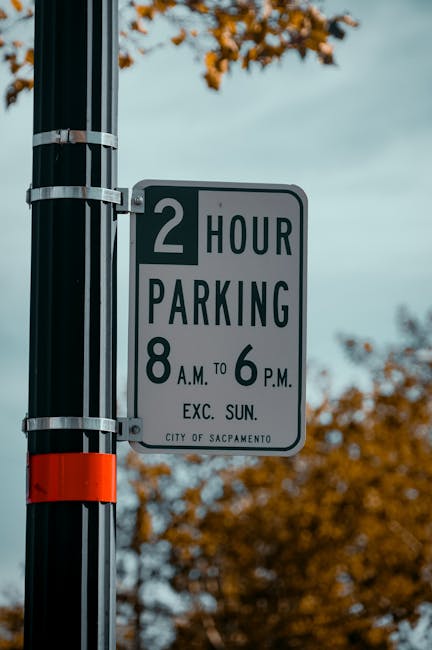
The basic idea is simple: some places allow loading and unloading for a limited time, some do not, and some allow it only under specific conditions. But the practical side is where people get caught out. A restriction sign might allow loading only at certain hours, or only for active loading and unloading, not for leaving the van while you go upstairs for 20 minutes and get distracted by a missing key.
Loading and unloading is usually treated differently from ordinary parking. That is the critical point. A van may be allowed to stop briefly so items can be moved, but it does not automatically mean the driver can leave it there as if it were parked for the day. If the vehicle is unattended for too long, or if nothing is being actively loaded, the situation can change fast.
In practice, the safest approach is to read the roadside signs carefully, consider the time of day, and build in a realistic buffer. Morning moves can be easier on some streets but worse for traffic. Later in the day may give you more space but less patience from everyone involved. There is no magic trick. Just planning.
It also helps to think in zones. You may have a legal stopping point a short distance away, but that can still be a workable unload if your items are light. For heavier pieces, you may need to plan a route that avoids dragging wardrobes or fridges too far. If that sounds obvious, fair enough, but people forget it when the clock starts ticking.
For more complex jobs, it can be useful to read related guidance on Wandsworth Council permits for Earlsfield removal vans and the practical issues raised in best routes for removals via Earlsfield Station dropoff.
Key Benefits and Practical Advantages
Getting parking and loading right does more than protect you from penalties. It improves the whole operation, especially in a busy London suburb where access can be tight. Here are the main advantages.
- Faster loading: a sensible stopping point means fewer wasted trips and less carrying distance.
- Lower risk of damage: shorter carries usually mean fewer knocks on door frames, stairs, and furniture.
- Less physical strain: this matters more than people admit, especially with heavy boxes and awkward appliances.
- Better time control: loading windows are easier to manage when parking is planned in advance.
- Reduced stress: a clear parking plan stops the day spiralling into stop-start chaos.
- Better neighbour relations: less blocking, less idling, and fewer arguments in the street.
There is a commercial upside too. If you are comparing removal options, access planning can affect the price, the number of people needed, and whether the job can realistically be done in one trip. You may find that a smaller, more agile vehicle or a well-timed van and crew saves more money than a larger setup that spends half the morning circling the block.
That is one reason people often look at man and van Earlsfield or removals Earlsfield options when access is the real challenge, not just the volume of items.
Who This Is For and When It Makes Sense
This topic matters to far more people than just big-house movers. If any of the following sounds familiar, it is worth paying attention.
- Home movers: especially if you live on a road with limited bay space or controlled parking.
- Flat movers: Earlsfield flats often mean stairs, narrow entrances, and very little room for error.
- Students: quick turnarounds and small van loads still need proper stopping space.
- Office relocations: timing matters because staff access, deliveries, and building rules can overlap.
- Furniture buyers and sellers: one sofa can be surprisingly hard to load when parking is awkward.
- Same-day movers: tight schedules leave little margin for circling around to find a legal stop.
It also matters when you are moving something unusually bulky, like a piano or a large wardrobe. In those cases, parking is not just convenience. It becomes part of the safety plan. If the van is too far away, the carry becomes longer, heavier, and less controlled. That is when people start thinking about specialist help, or at least a better prepared crew.
If you are dealing with large pieces, it may help to review tight staircases in Earlsfield flats and moving large items and Earlsfield High Street flats, stairs and lifts moving tips.
Step-by-Step Guidance
Here is a practical way to approach a move or delivery in Earlsfield without leaving parking to chance.
- Check the street in advance. Look for bay markings, loading restrictions, yellow lines, time plates, and any obvious access pinch points.
- Plan your arrival window. Choose a time that gives you room for traffic, building access, and a few inevitable delays.
- Identify the nearest realistic stopping point. The closest legal space is not always the best if it blocks manoeuvring or sits too far from the entrance.
- Group items before the van arrives. Put boxes, bags, and wrapped furniture near the exit, ready to go.
- Assign roles. One person on the van, one at the door, and someone keeping an eye on access works far better than everyone wandering around.
- Keep loading continuous. If you stop for tea, a phone call, or a missing screwdriver, you can waste the loading window.
- Move quickly but carefully. Speed matters, but not if it leads to scratches, trips, or dropped items.
- Re-check the vehicle position. A van that was fine five minutes ago may not be fine after a neighbour, delivery truck, or traffic change.
One small but useful habit: keep the driver informed. If they know a sofa is coming next, they can position the vehicle with the tail lift, door access, or ramp angle in mind. That kind of communication sounds basic. It is. And it saves time.
For packing the van efficiently, the article on organised packing for moving house is well worth a look.
Expert Tips for Better Results
People often assume the secret is finding a parking space. Not quite. The secret is reducing dependency on the perfect space in the first place.
- Start early: the earlier the move, the less likely your chosen stop will already be taken.
- Use smaller loads when access is bad: split the move into more manageable lifts rather than overloading people and risking damage.
- Protect surfaces: if the carry distance is longer, use blankets, sliders, and edge protection so the item survives the journey.
- Keep walkways clear: hallways, porches, and front steps need to stay open. Tripping over a box on the way out is a classic, annoying move-day moment.
- Have a backup plan: if the first stop is unavailable, know your second and third options.
- Use the right vehicle size: a van that is too large can be harder to position on narrow streets.
Another helpful tip is to keep your load light and your route simple. If you are moving furniture, the right prep matters almost as much as the parking itself. That is why related guides such as lifting heavy objects by yourself and moving beds and mattresses more simply can be surprisingly relevant.
And yes, if the move involves an awkward item like a piano, do not wing it. There is a reason specialist help exists. The margin for error is tiny.
Common Mistakes to Avoid
Most parking headaches in Earlsfield come from avoidable oversights. The good news is that they are usually easy to fix next time.
- Assuming loading is always allowed: it is not. Loading rules vary by street, time, and signage.
- Ignoring the practical unloading distance: a legal space can still be a bad choice if it doubles the carry.
- Leaving the van unattended too long: that can turn a loading stop into a parking issue.
- Underestimating street traffic: Earlsfield roads can become busy very quickly, especially around peak times.
- Not preparing the property first: if the team is still looking for keys or clearing the hallway, the loading window gets wasted.
- Forgetting neighbours and access points: a poorly parked van can block driveways, garages, or bin collections.
One especially common mistake is planning the move around the van rather than the actual route from door to vehicle. That sounds like a subtle difference, but it really changes the day. A short, legal stop with a clean path beats a slightly closer stop that creates bottlenecks.
If you want to avoid the broader traps that often appear during a move, hidden fees explained in Earlsfield removals pricing traps is a sensible companion read.
Tools, Resources and Recommendations
You do not need a toolkit full of specialist gear to handle parking and loading well, but a few simple things make the process calmer and safer.
- Hi-vis vests: useful if people are moving items near traffic or in low light.
- Furniture blankets and straps: protect items and help secure them in the van.
- Trolleys and dollies: excellent for heavy items when the route is level and clear.
- Phone battery pack: sounds basic, but a dead phone on moving day is not ideal.
- Printed loading plan: old-fashioned maybe, but handy when everyone is busy and phones are buried in pockets.
For many people, the best resource is simply a proper checklist and a realistic timeline. If you are clearing a property, it can help to read decluttering before a move before the big day, and how to leave your old residence immaculately clean if end-of-tenancy pressure is part of the job.
If storage is involved, timing matters even more. A move that includes short-term storage, or a second drop-off, usually needs more careful vehicle planning. The practical side of keeping items safe during downtime is covered in sofa storage care and preventing freezer wear during storage periods.
Law, Compliance, Standards, or Best Practice
Parking and loading in London sit inside a wider framework of traffic regulation, local restrictions, and common-sense duty of care. The exact rules depend on the street and the type of restriction in place, so it is wise to treat signage seriously and not assume a van has special treatment just because it is working.
As a general best practice, you should:
- observe street signs and bay markings carefully;
- avoid blocking access for residents, emergency vehicles, or deliveries;
- keep loading activity genuine and continuous if you are relying on loading permission;
- plan for safe manual handling, especially with heavy or awkward items;
- make sure any removal team follows sensible health and safety procedures.
In practical terms, that means doing the job in a way that is orderly, safe, and respectful of the street. Best practice is not glamorous, but it avoids hassle. And usually, that is enough.
If you are arranging a move through a professional team, it is worth checking their approach to safety and handling. Pages like insurance and safety and health and safety policy can give you a clearer picture of how seriously they take it.
Options, Methods, or Comparison Table
Different loading approaches suit different situations. Here is a simple comparison to help you decide what works best.
| Approach | Best for | Pros | Limitations |
|---|---|---|---|
| Quick kerbside loading | Small moves, short drops, light boxes | Fast, simple, low effort | Depends heavily on available space and timing |
| Pre-planned loading bay use | Moderate moves and structured deliveries | More orderly, less disruption | May require advance planning and strict time management |
| Multiple short carry trips from a legal stop | Tight streets or restricted roads | Flexible when close parking is unavailable | More labour and more time |
| Specialist moving team with access planning | Large furniture, flats, awkward items | Safer handling, better coordination | Usually costs more than a basic solo approach |
To be fair, there is no single winner for every move. A student room clear-out is not the same as a family house move. A flat on a busy road is not the same as a house with a generous frontage. The right method depends on access, volume, and how much time you really have.
Case Study or Real-World Example
Imagine a typical Earlsfield flat move on a weekday morning. The tenant has boxes ready by the door, a sofa disassembled, and two helpers booked for an hour. On paper, it looks straightforward. Then the first parking spot is taken, the second has restrictions at that time, and the third is technically legal but a little way down the road.
Instead of forcing the issue, the mover chooses the third option and adjusts the plan. The team loads in smaller, well-organised bursts. One person stays near the van, one manages the hallway, and the third keeps the route clear. It takes a bit longer than hoped, but there is no ticket, no awkward confrontation, and no damaged corner on the sofa.
That is the real lesson. Good planning rarely feels dramatic. It just quietly saves the day. A move like that may not be glamorous, but it is the sort of job people remember for the right reasons: calm, controlled, and done without the whole street watching.
For a similar local perspective on access challenges, see last-minute Earlsfield move tips and Earlsfield High Street stairs and lift moving tips.
Practical Checklist
Use this before moving day. It is simple, but it catches a lot of mistakes.
- Read the street signs and bay markings near the property.
- Confirm the best time window for loading or unloading.
- Plan a backup stopping point in case the first one is unavailable.
- Keep hallways, porches, and stairwells clear.
- Group items by weight and fragility before the van arrives.
- Use packing materials that protect furniture and appliances.
- Assign clear roles to everyone helping.
- Keep essential items separate so they do not get buried in the van.
- Allow a little extra time for traffic, keys, lifts, and neighbour access.
- Check that the vehicle is not blocking access or overstaying the loading window.
- Review insurance and safety arrangements if the move includes large or valuable items.
If you are still deciding how to structure the move, the broader service pages on services overview, man with a van Earlsfield, and this page is intentionally omitted because no approved URL exists are not all needed here; the practical point is simply to choose the setup that matches your access conditions.
Key takeaway: the closer the parking, the easier the move, but the smarter the plan matters more than the closest space. If you prepare for restrictions rather than hoping to dodge them, you make the whole day lighter.
Conclusion
Parking restrictions in Earlsfield (SW18) and loading rules are one of those topics that seems minor until the van arrives and the street says otherwise. Once you understand how loading works, what the local access pressures feel like, and how to build a realistic plan, the move becomes much less fragile. That is the real goal: less scrambling, fewer surprises, and a cleaner handover from old place to new.
Whether you are moving a single sofa, a full family home, or a last-minute flat load, the best approach is usually the same: check the restrictions, keep the loading active, protect the route, and leave a little room for the unexpected. That one bit of breathing space makes all the difference.
Get a free quote today and see how much you can save.